

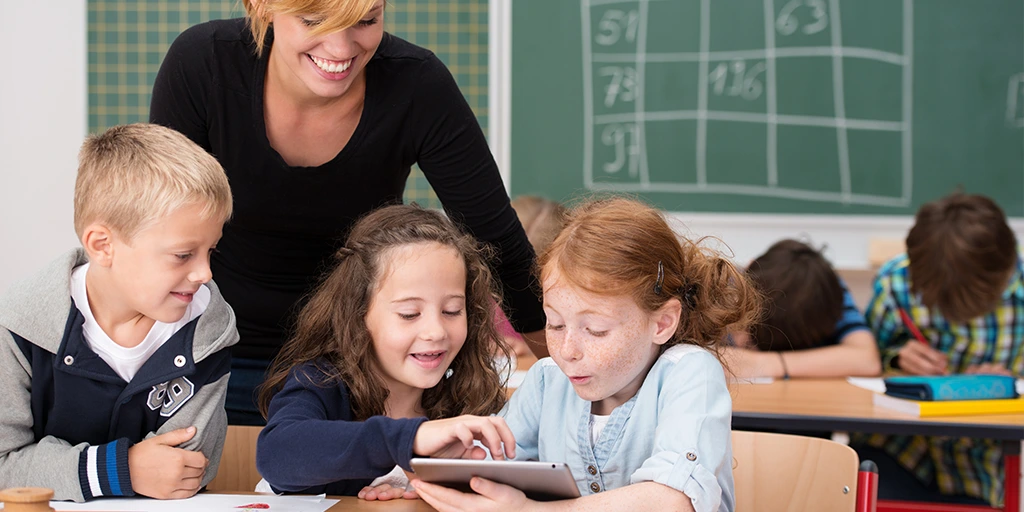
Education shapes how individuals think, interact, work, and contribute to society. It is not limited to school buildings or textbooks; it is a lifelong process that influences personal development, opportunities, social mobility, and economic growth. Today, Education stands at a pivotal moment due to technological advances, shifting workforce demands, cultural transformations, and global challenges. Understanding this landscape requires exploring how learning environments are designed, how teaching methods progress, and how individuals can adapt to a rapidly changing world.
The Purpose and Foundations of Education
Education builds intellectual, emotional, and practical foundations that guide decision-making and personal growth. While academic knowledge remains important, modern education emphasizes broader capacities such as communication, collaboration, and adaptability.
Core Objectives of Education
- Develop critical and analytical thinking
- Encourage responsibility, ethics, and respect
- Promote problem solving in diverse environments
- Support creativity and innovation
- Improve communication and interpersonal skills
These objectives help individuals navigate not just academic tasks, but real-world challenges including work-life balance, financial management, social relationships, and citizenship.
Learning Beyond the Classroom
Effective education recognizes that meaningful learning occurs through:
- Hands-on experiences
- Group collaboration
- Mentorship and community involvement
- Self-directed exploration
The shift from memorization-focused schooling to experiential learning is reshaping how knowledge is understood and applied.
Traditional Schooling Models and Their Role
Traditional schools provide structured environments where foundational academic subjects are introduced. Subjects like mathematics, literature, and science teach core logic and reasoning skills. However, new expectations require schools to integrate broader competencies such as digital literacy and emotional awareness.
The Structure of Traditional Learning
- Teacher-led instruction
- Set curriculum schedules
- Assessment through exams and assignments
- Group learning within age-based cohorts
While these principles remain effective for foundational learning, evolving social needs require flexibility and modernization.
Strengths of Traditional Schooling
- Reliable routine and structure for students
- Opportunities for social development through interaction
- Access to trained educators and academic resources
- Exposure to diverse subjects for well-rounded knowledge
Challenges Within the Traditional System
- Standardized testing may limit creativity
- One-size-fits-all instruction may not suit all learning styles
- Limited focus on practical life skills and emotional intelligence
To meet modern expectations, traditional programs are gradually integrating new approaches.
Modern Approaches That Are Reshaping Learning
Education is increasingly influenced by new strategies aimed at developing independence, resilience, and innovation.
Student-Centered Learning
This approach focuses on the needs, strengths, and interests of the learner rather than the convenience of the system.
Key features include:
- Flexible pacing
- Choice in topics and projects
- Personalized learning paths
- Collaboration instead of competition
This method increases student engagement and ownership over learning.
Project-Based Learning
Students learn through real-world tasks rather than abstract theories. For example, instead of reading about renewable energy, students may design small-scale energy solutions for their school or local community.
Benefits:
- Stronger critical thinking
- Meaningful problem solving
- Practical application of knowledge
Digital and Remote Learning
Technology supports accessibility beyond physical classrooms. Students now use:
- Interactive learning platforms
- Virtual classrooms
- Online discussion groups
- Hybrid schedules combining in-person and online learning
While digital education expands access, it requires careful design to maintain engagement and accountability.
The Role of Teachers and Instructors
Educators are not solely information providers. They function as mentors, facilitators, and guides. The role of a teacher evolves continually with new technologies and learning philosophies.
Core Skills of Effective Educators
- Clear communication
- Adaptability to diverse learners
- Empathy and emotional intelligence
- Strong subject knowledge
- Classroom management and organization
Teachers who understand student motivation foster stronger outcomes and confidence.
Professional Development for Educators
Ongoing training helps teachers maintain effectiveness. Training may include:
- Technology integration workshops
- Classroom diversity and inclusion strategies
- Mental health awareness and support training
- Updated curriculum development methods
Supporting educators improves the entire educational ecosystem.
Emotional and Social Learning in Education
Schools increasingly recognize the importance of emotional well-being. Academic excellence is not sustainable without psychological support.
Key Emotional Skills to Foster
- Self-awareness and emotional regulation
- Empathy and respect for others
- Conflict resolution and cooperation
- Stress management strategies
Students who learn emotional intelligence handle challenges more effectively in school, work, and relationships.
Creating Supportive Learning Environments
A positive environment includes:
- Encouragement rather than criticism
- Opportunities for open communication
- Accountability with compassion
- Inclusive practices for all backgrounds and abilities
School culture significantly influences student confidence and motivation.
Education and Workforce Preparation
Workforce expectations have changed significantly. Many jobs now require digital fluency, problem solving, teamwork, and adaptability.
Aligning Learning With Career Realities
Students benefit from:
- Career exploration programs
- Internships and job-shadowing
- Technical and vocational skill development
- Entrepreneurship and business literacy training
These experiences help students understand professional environments before entering them full-time.
Lifelong Learning as a Necessity
The pace of innovation means individuals must learn continuously throughout adulthood. Career flexibility depends on:
- Willingness to re-skill or up-skill
- Openness to new tools and digital solutions
- Ability to adapt to changing industries
Lifelong learning supports career stability and personal growth.
Equity and Access in Education
Not all students begin with the same opportunities. Geographic location, family income, cultural background, and disabilities can influence learning outcomes.
Strategies to Support Fair Access
- Community-based support programs
- Financial assistance for materials and transportation
- Inclusive technology resources
- Accessible learning formats for various abilities
Creating equitable access strengthens society by ensuring potential is not limited by circumstance.
The Future of Education
Future learning environments will blend academic knowledge, real-world skill building, technology integration, and emotional growth.
Key Trends Influencing the Future
- Expansion of hybrid and flexible educational formats
- Increased emphasis on critical thinking over memorization
- Growth of global and cross-cultural collaboration opportunities
- Integration of artificial intelligence into learning personalization
Education continues evolving to match the needs of a complex world.
Frequently Asked Questions (FAQ)
How can students develop stronger critical thinking skills?
Students improve critical thinking by asking questions, comparing perspectives, solving open-ended problems, and reflecting on their reasoning. Activities like debates, research projects, and journaling encourage deeper thought.
What role do parents play in supporting education?
Parents support learning by creating positive study environments, communicating with teachers, showing interest in school activities, and encouraging responsibility and curiosity at home.
How can schools better prepare students for adulthood?
Schools can include financial literacy, communication skills, real-world problem solving, and health awareness courses. These practical skills help students manage work, relationships, and personal goals.
Why is adaptability important in modern education?
Workplaces change rapidly, and new technologies emerge continually. Adaptability allows individuals to learn new tools, shift roles, and remain effective in unpredictable environments.
How does physical activity support academic performance?
Regular physical activity enhances concentration, mood regulation, and cognitive function. Schools that support movement and recreation often see improved academic engagement and well-being.