

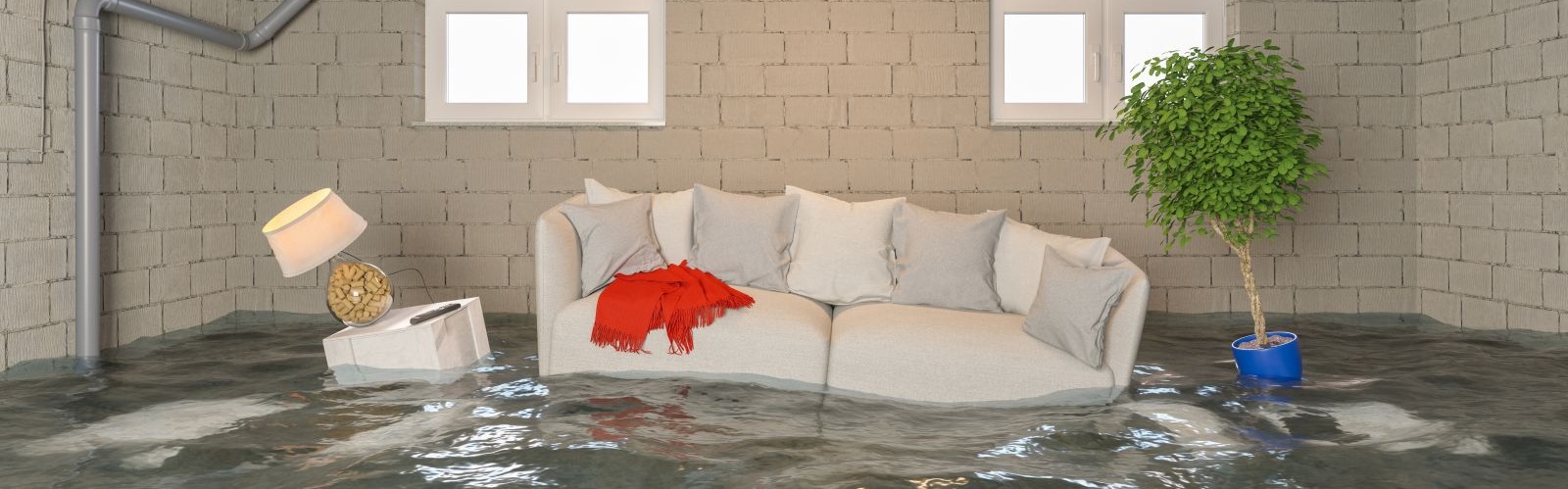
Most homeowners rarely think about their sump pump until an intense spring downpour rolls through, water begins creeping past the drywall, and the finished basement turns into an indoor retention pond. Because these systems spend their lives tucked away inside a dark plastic pit in the far corner of a utility room, they suffer from an out-of-sight, out-of-mind reality. Water mitigation after a major basement flood can easily cost thousands of dollars, ruin mechanical equipment, destroy personal belongings, and foster toxic mold colonies behind wall framing.
The good news is that mechanical systems almost never fail out of nowhere. Long before an electric motor seizes completely or an intake valve clogs during a deluge, your sump pump leaves a trail of subtle clues. Recognizing these warning signs gives you the window you need to repair or replace the equipment on your own schedule rather than scrambling for emergency plumbing services at two in the morning.
The Mechanical Reality: How the System Is Supposed to Work
To spot a failing sump pump, you first need to understand the baseline mechanics of a healthy installation. As hydrostatic pressure builds around your foundation during rainstorms or snowmelt, perimeter drain tiles channel groundwater toward a sump basin cut into the concrete floor.
When the water level in that pit rises, a float switch rises along with it. Once the float reaches a predetermined height, it closes an electrical circuit, powering on the motor. The motor turns an internal impeller, spinning the incoming water outward and forcing it up through a vertical PVC discharge pipe, through a one-way check valve, and out to an exterior drainage field away from your foundation walls. Once the basin empties to a safe level, the float drops, opening the circuit and shutting down the motor until water collects again.
Every single point in this chain represents a potential failure vector. When any component begins to degrade, the pump will communicate its distress through sound, operational cadence, electrical behavior, and physical wear.
Strange Noises Coming from the Basin
A healthy, properly installed sump pump emits a low, steady hum while pumping, followed by a muted thump when the check valve snaps closed at the end of a cycle. Sudden changes in acoustic output are among the clearest early warnings that internal components are wearing out.
Grinding, Screeching, or Scraping Sounds
A harsh, metallic grinding noise usually points toward damaged internal bearings or an impeller that has pulled loose from its drive shaft and is gouging against the pump housing. Submersible pumps pull raw groundwater that often carries small stones, coarse sand, and construction grit. If a hard object bypasses the intake screen and enters the impeller chamber, it can bend or snap the plastic or cast-iron fins. A damaged impeller cannot create the centrifugal force required to lift water upward, meaning the motor will spin under heavy friction without actually discharging water.
Loud Rattling or Excessive Vibration
Excessive vibration against the sides of the basin indicates either an unbalanced impeller or an unanchored discharge pipe. When an impeller fin chips or breaks, the rotational balance is ruined, creating intense lateral shaking that travels up the PVC piping. Over time, this shaking loosens pipe fittings, breaks solvent welds, and places extreme stress on the internal motor mounts.
Violent Banging After Every Cycle
If you hear a deafening thud that shakes the floorboards whenever the pump turns off, your check valve is either worn out or missing. The check valve contains a flapper that allows water to travel upward out of the pit but stops gallons of suspended water in the vertical discharge pipe from rushing backward into the basin once the motor stops. When the valve’s spring or hinge deteriorates, that column of water slams downward, generating a violent hydraulic shock known as water hammer. Left unchecked, water hammer can shatter PVC joints and prematurely destroy the pump motor.
Float Switch Irregularities
Plumbing technicians routinely report that switch problems account for the majority of sump pump service calls. The float switch operates under harsh conditions, moving up and down continuously while immersed in water, mineral deposits, and grime.
The Float Stuck in the “On” Position
When a mechanical float switch gets hung up on the basin wall, catches on a discharge pipe, or suffers from internal contact welding, the pump will run endlessly, even after the pit is bone dry. Sump pump motors are engineered to be cooled by the water surrounding them. When a pump runs dry for extended periods, the motor overheats rapidly, degrading electrical windings and melting protective internal seals. If you walk into your basement on a sunny afternoon and hear the pump running non-stop with no water in the pit, the switch has failed.
The Float Stuck in the “Off” Position
Debris, sludge, or a shifting discharge pipe can pin the float switch downward, preventing it from rising as water fills the basin. Alternatively, sediment can coat mechanical toggle switches, creating enough friction to overcome the buoyancy of the float. When this happens, water will overflow the basin rim while the pump sits completely idle.
Erratic Cycling Patterns
Pay attention to how frequently your pump turns on and how long it stays active during varying weather conditions. Changes in cycle timing point directly to sizing problems, backflow issues, or switch degradation.
Short Cycling Every Few Seconds
Short cycling occurs when a pump turns on, runs for four or five seconds, shuts off, and then repeats the process less than a minute later. This rapid, repetitive cycling is exceptionally hard on the starting capacitor and electrical motor windings. The most common culprit is a failed or missing check valve: the pump lifts water four feet up the pipe, shuts down, and all that pumped water immediately dumps back down into the basin, lifting the float switch right back up.
Short cycling can also mean that the switch travel distance is set too tight, or that the pump is drastically oversized for the basin, draining the pit faster than it can manage a steady thermal profile.
Continuous Running During Standard Rainfall
While a sump pump might run continuously during an unprecedented hurricane or historic flood event, it should not run non-stop during a moderate, steady rain. If the motor never rests during ordinary wet weather, the pump is either underpowered for the vertical lift required (lacking adequate horsepower to overcome the head pressure) or the intake screen is clogged, starving the impeller of flow and forcing it to run indefinitely to move minimal volume.
Visible Physical Deterioration
A visual inspection of the basin using a strong flashlight can reveal several red flags before an electrical short or mechanical failure occurs.
Rust and Heavy Mineral Scaling
Most modern quality pumps feature cast-iron, stainless steel, or thermoplastic housings. If you see flaking rust, heavy orange oxidation, or thick white crusts of calcium and efflorescence accumulating on the pump body, internal components are experiencing corrosive stress. Rust can easily seize exterior fasteners, corrode the switch arm, and pit the motor casing, eventually allowing moisture to breach the sealed electrical compartment.
Bacterial Iron Slime (Iron Ochre)
In regions with high concentrations of iron in the soil, you may discover a thick, rust-colored, gelatinous sludge covering the bottom of the basin and clinging to the pump. This substance, known as iron ochre, is the byproduct of harmless bacteria that feed on dissolved iron. While non-toxic, iron ochre is devastating to sump systems. It clogs intake screens, coats float switches until they become too heavy to rise, and narrows discharge piping. If your pit contains iron ochre, regular pump maintenance alone will not save you; the pit and pump must be flushed and cleaned regularly to prevent sudden blockages.
Oil Slicks in the Pit Water
Submersible sump pump motors are filled with non-conductive dielectric cooling oil. This oil keeps the motor cool and prevents electrical arcing inside the casing. If you look into your sump pit and notice an iridescent, rainbow-colored sheen or oily residue floating on the water surface, a shaft seal has degraded. Once cooling oil leaks out, water leaks in. An oil leak indicates imminent catastrophic motor failure, requiring immediate unit replacement.
Exterior Discharge Line Failures
A sump pump can run with mechanical perfection, but if the water has nowhere to go, your basement will flood just as fast as if the motor were dead. Homeowners frequently inspect the pump in the basement while completely ignoring the exterior discharge point where the water actually exits.
During cold winter snaps, water remaining inside an unpitched exterior pipe will freeze, creating a solid ice plug. If the pump turns on against a frozen pipe, head pressure spikes instantly, deadheading the motor until the electrical thermal overload switch trips or the motor burns out.
Ensure your discharge line dumps water at least ten feet away from the foundation on a downward slope. If soil has settled around the foundation, discharged water can simply flow right back down into your weeping tiles, creating an endless, closed-loop cycle that overworks the pump and saturates the sub-slab soil.
Age and Runtime: The Silent Clock
Like water heaters, furnaces, and air conditioners, sump pumps possess a finite mechanical lifespan. The average residential submersible sump pump lasts between seven and ten years, depending entirely on its build quality, electrical supply stability, and runtime duty cycle.
A pump in an area with a high water table that cycles every fifteen minutes year-round will wear out far faster than an identical pump in an arid climate that only operates twice a year during spring snowmelt. If your pump was installed more than eight years ago, it is operating on borrowed time. Even if it seems to be working smoothly today, the seals, internal capacitors, and float switch mechanisms are reaching the end of their design tolerances. Waiting for a primary sump pump to fail during a peak runtime event is the most expensive way to handle replacement.
Simple Routine Testing to Prevent Disasters
You do not need to wait for a storm to verify whether your system is reliable. A simple maintenance protocol performed twice a year will catch failures before the weather turns threatening.
Slowly pour five to ten gallons of water into the sump pit using a bucket or a garden hose. Observe the entire cycle from start to finish. Confirm that the float switch rises smoothly without snagging on the walls or pipes. Listen for smooth motor engagement without harsh friction sounds. Watch how quickly the water level drops, and check the discharge outlet outside to ensure water flows freely with strong volume. Finally, observe the check valve as the pump shuts off to confirm water does not rush backward into the basin.
If you rely on your basement for finished living space, storage, or critical mechanical appliances, install a battery-backup sump pump alongside your primary unit. Storms that cause severe flooding are precisely the events most likely to knock out municipal power lines. A secondary DC-powered backup pump with a dedicated marine-grade battery will take over if the primary pump fails, if the switch jams, or if the main power grid goes dark.
Taking twenty minutes to inspect the basin, clear away accumulated sediment, and test your pump’s responsiveness ensures your drainage system is prepared to handle whatever Mother Nature sends your way.