

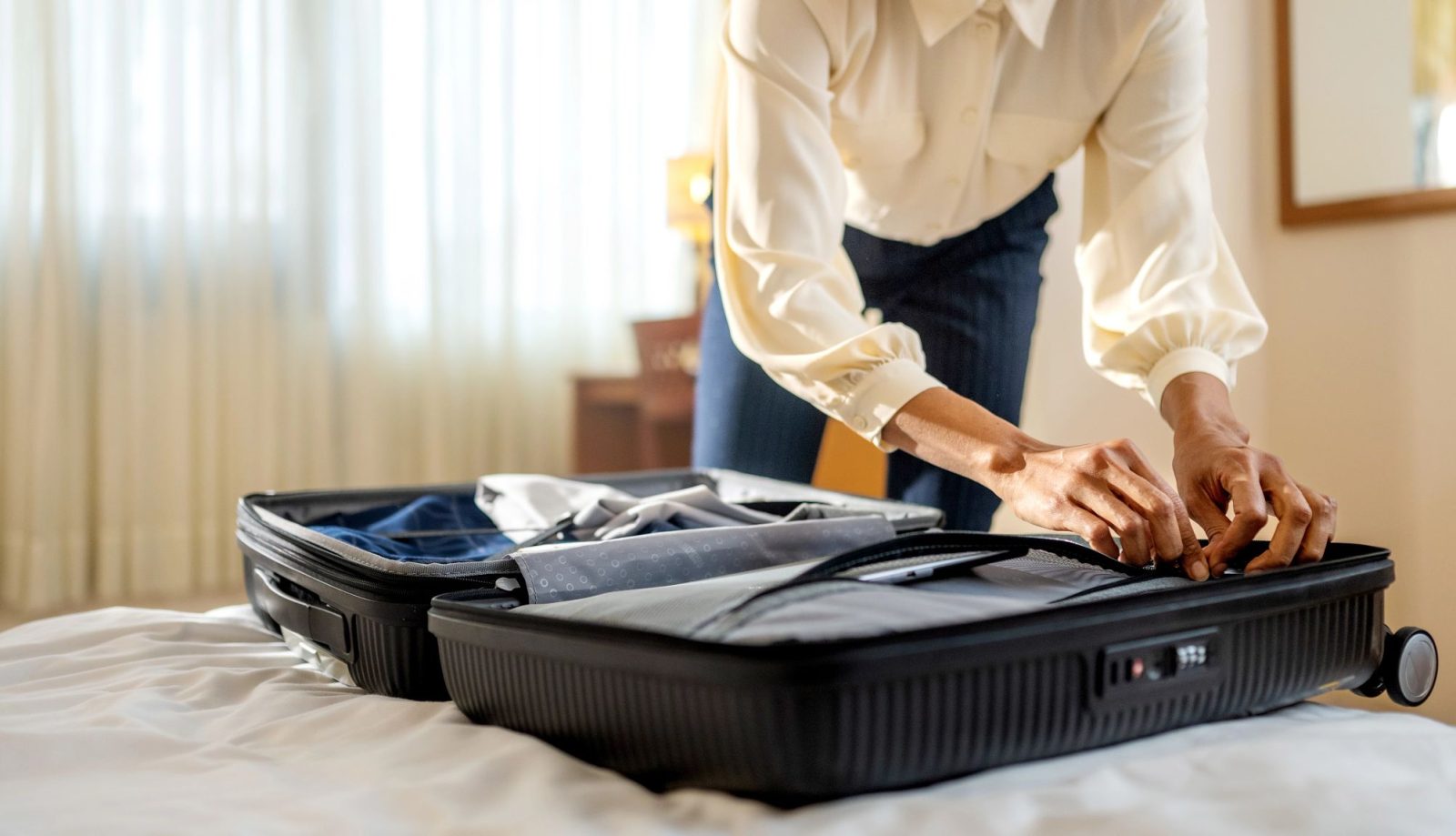
The secret to traveling indefinitely out of a carry-on backpack is not finding magical folding techniques or packing microscopic underwear. It comes down to a willingness to clean what you wear as you go. Once you disconnect the length of a trip from the volume of clothing in your luggage, everything changes. You can spend three weeks touring European rail stations or a month exploring Southeast Asia with roughly four days worth of apparel.
Mastering on-the-go laundry sounds tedious to those who imagine wasting precious vacation hours hovering over a laundromat tumble dryer. In reality, a streamlined routine requires less than ten minutes before bed. By pairing the right fabric choices with a few basic tools and simple techniques, you can keep your wardrobe fresh, protect your garments, and eliminate baggage fees entirely.
Fabric Selection Dictates Your Entire Routine
Before you even touch a bottle of travel detergent, your success is decided by what you packed. Some textiles adapt naturally to nomadic care, while others turn a quick wash into a sodden, mildew-scented nightmare.
The Problem with Heavy Cotton and Denim
Traditional denim and thick cotton knits are the sworn enemies of the ultralight traveler. Cotton fibers absorb several times their weight in water and cling to that moisture with stubborn tenacity. In a humid climate or a hotel bathroom with sluggish ventilation, a pair of cotton jeans or a heavy hoodie can take two full days to dry. If you are changing locations every morning, you end up packing damp garments into a dark bag, which breeds bacteria and persistent sour odors. Leave heavy cottons at home, or limit them to a single outer layer that rarely requires washing.
Embracing Merino Wool and Technical Synthetics
The backbone of an efficient travel wardrobe consists of merino wool, nylon, polyester blends, and lightweight linen.
Merino wool is the gold standard for travel clothing. Because its fibers naturally trap odor molecules and release them only when washed, a quality merino t-shirt or pair of socks can be worn several times between washes without offending anyone. When you do wash it, merino releases water readily and dries quickly without losing its shape.
Modern synthetic fabrics, particularly lightweight polyester and nylon weaves engineered for athletic wear, shed water almost instantly. A synthetic athletic shirt washed in a bathroom sink at ten at night will often be bone dry and ready to wear by six the following morning.
Assembling an Ultralight Laundry Kit
You do not need an entire shelf of cleaning products to keep your garments clean. A high-performing mobile laundry kit weighs only a few ounces and tucks into the corner of any daypack.
Detergent sheets are by far the cleanest, most space-efficient cleaning agent available. Unlike liquid soaps, they cannot leak through your luggage, and they trigger zero security checks at airport checkpoints. Half a sheet dissolves quickly in warm water and provides plenty of cleaning power for a daily load. If you cannot find sheets, concentrated biodegradable liquid camp soap or a small sliver of solid laundry bar soap works well.
A universal flat sink stopper is an indispensable five-dollar investment. Hotel and hostel sink basins around the world frequently have broken, missing, or improperly adjusted drain plugs. A wide, flat silicone disc uses the weight of the water above it to create an airtight seal over virtually any drain opening.
A braided elastic clothesline lets you hang clothes anywhere without clothespins. These lines use two or three twisted cords of elastic rubber; you simply tuck the edge of the fabric between the strands to secure it in place. Look for versions with suction cups and sturdy hooks on either end so you can anchor them between bathroom fixtures, door frames, or bunk beds.
A small dry bag can double as an emergency washing machine. If your sink basin is grimy, too small, or lacks a functional drain, an eight-liter waterproof dry bag allows you to wash clothes anywhere—even on a night train.
The Step-by-Step Sink and Dry Bag Wash
Rinsing clothing under a running faucet rarely gets rid of accumulated oils and grime. To truly clean your garments without damaging delicate stitching, use a systematic soaking and agitation method.
Preparing the Water and Garments
Fill your basin or dry bag with lukewarm water. Hot water can break down synthetic elastic trims and shrink delicate wool fibers, while icy water struggles to activate detergents. Drop in your detergent and agitate the water with your hand until it is completely dissolved before adding your clothes.
Sort your garments by color if you are carrying anything dyed deeply that has never been washed. Turn t-shirts and undergarments inside out, as the interior surface is where dead skin cells, perspiration, and body oils concentrate.
Agitation and Soaking
Submerge the items completely, pushing them down until air bubbles stop rising. Spend two to three minutes actively working the clothes through the soapy solution. Press the garments against the bottom and sides of the basin, gently rubbing high-friction zones like underarms, neckbands, and sock heels against each other.
Once you have agitated the fabrics, step away and let them soak for ten to fifteen minutes. The surfactant in the soap needs time to break the bond between the fabric fibers and body oils. Avoid the urge to leave clothes soaking for hours; extended soaking can weaken elastic bands and degrade water-repellent coatings on technical garments.
The Rinse Cycle
Drain the soapy reservoir and press the garments against the base of the basin to expel the sudsy water. Do not twist or wring the clothes aggressively, as torsional stress stretches out seams, snaps elastic threads, and deforms knit fabrics.
Fill the basin with clean, cool water and submerge the clothes again, sloshing them around vigorously to lift out lingering soap particles. Repeat this rinse process at least twice. Any detergent left behind in the fibers can dry into an invisible residue that irritates sensitive skin and attracts fresh dirt more quickly the next time you wear the item.
The Towel Roll Method: The Ultimate Drying Shortcut
Hanging sopping-wet clothes directly on a line guarantees slow drying times and puddles on the floor. The single most important technique for the traveling laundry enthusiast is the towel roll method, which pulls out the majority of retained moisture before your garments ever meet an open clothesline.
Lay a dry, absorbent bath towel flat across a bed or clean table. Take your rinsed garments and spread them out across the surface of the towel in a single layer, ensuring the items do not overlap significantly.
Starting from one end, roll the towel up tightly with the clothing inside, creating a long, firm fabric cylinder. Once you have rolled it up, place the cylinder on the floor and walk slowly back and forth along its entire length, using your full body weight to press down. Alternatively, you can use your knees and palms to apply heavy pressure.
This compression forces the moisture out of the garments and transfers it deep into the thirsty fibers of the towel. When you unroll the bundle, your clothes will feel slightly cool to the touch rather than damp, cutting the eventual air-drying window by well over half.
Strategic Airflow: How to Dry Clothes Indoors
Air circulation dries clothing far faster than temperature alone. If you hang damp garments in a cold, stagnant bathroom with the door shut, they will remain damp in the morning regardless of how well you rolled them.
Always scout the room for movement. Suspend your clothesline directly under an air conditioning vent, near an open window with an active cross breeze, or directly below a ceiling fan. If your hotel room has a dedicated luggage rack or an iron balcony rail, use those structures to spread clothes as wide as possible so air reaches both the exterior and interior surfaces.
For shirts and jackets, use sturdy hangers rather than draping them over horizontal bars. Draping collapses the fabric onto itself, cutting off internal airflow and doubling drying time. If you only have wire hangers, bend them outward slightly to keep the front and back panels of the garment separated while they dry.
Navigating Laundromats and Drop-Off Services
Sink washing works exceptionally well for daily essentials like socks, base layers, and underwear. However, heavier items like travel trousers, flannel shirts, and mid-layers eventually require a reset. You do not need to wash everything by hand forever.
When you hit a major transit hub midway through a trip, dedicate ninety minutes to a local self-service laundromat. It offers a great opportunity to catch up on reading or journal entries while running a large, hot wash cycle that strips away deep-set grime.
In many parts of Central America, Southern Europe, and Southeast Asia, local wash-and-fold services are remarkably affordable. For a nominal fee based on total weight, you can drop off an entire bag of laundry in the morning and pick it up neatly folded and pressed that evening. Just remember to specify that your garments should be washed on cool and air-dried or dried on low heat; commercial dryers in budget facilities run notoriously hot and can ruin technical apparel in a single cycle.
Common Mistakes That Sabotage Travel Laundry
Even seasoned light travelers occasionally make errors that leave them with damp or damaged gear. Avoiding a few common missteps will keep your mobile routine hassle-free.
-
Using too much detergent. Travelers often think more soap means cleaner clothes. In a small sink, excess soap is nearly impossible to rinse away completely, leaving garments stiff and sticky. A dime-sized amount of liquid or a quarter of a sheet is almost always sufficient.
-
Wringing fabrics with excessive force. Twisting garments like a rope tears the microscopic fibers of merino wool and snaps the elastane threads that give travel pants their stretch. Always squeeze, press, or roll; never twist.
-
Overcrowding the clothesline. If garments touch each other on the line, the shared contact points trap moisture and delay drying. Leave at least two inches of open air between every item on your line.
-
Ignoring the local climate. In extremely tropical, humid environments, hanging clothes indoors without air conditioning is an exercise in futility. In these regions, lean into fan airflow, open windows, or outsource heavier pieces to local services that utilize industrial extractors.
Traveling light is not an exercise in deprivation; it is an exercise in efficiency. Once you realize that a tiny sink, a strip of detergent, and a bath towel can reset your entire wardrobe in a matter of minutes, the burden of hauling an oversized rolling suitcase disappears for good.