

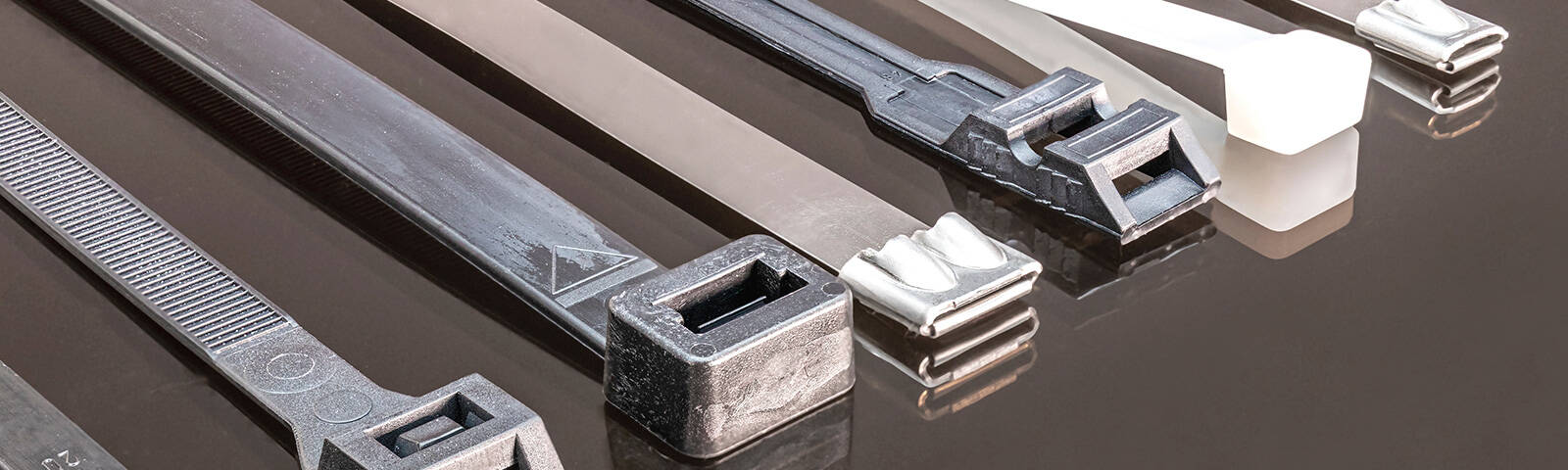
Metal cable ties are built for strength and longevity, making them essential in environments where durability and reliability matter most. From high-heat industrial applications to corrosive marine settings, these ties stand firm where traditional materials often fall short. Their construction, typically from stainless steel, allows them to function under extreme conditions without compromising performance. For professionals across many fields, metal cable ties are more than just a fastening tool—they’re a guarantee of secure, long-term support.
Unlike plastic alternatives, metal cable ties resist UV damage, thermal degradation, and chemical exposure. These traits make them ideal for projects that demand endurance and safety. Whether holding together wiring in a car engine or bundling components in aerospace machinery, their reliability under pressure is unmatched. Their locking mechanisms are usually made of the same robust metal, ensuring every connection stays tight and resistant to tampering.
Their versatility is another standout feature. Available in various lengths, strengths, and finishes, metal cable ties are used in settings where temperature swings, saltwater exposure, or high vibration are factors. Their design often includes smooth, rounded edges and corrosion-resistant coatings, preventing wear on both the ties and the components they secure. This makes them a practical solution in installations where equipment longevity is non-negotiable.
The ease of use is another strength that shouldn’t be overlooked. Many styles of metal cable ties are designed for fast installation, using tensioning tools that allow users to apply consistent force and cut the excess in a single motion. This reduces fatigue during high-volume tasks while ensuring secure fastening that holds up in the most demanding environments.
Applications Across High-Stakes Industries
The usefulness of metal cable ties extends across several industries, particularly those that operate in challenging conditions. In the automotive sector, they are used in engine bays, brake systems, and transmission assemblies. These are areas subject to high heat, oil exposure, and vibration—conditions that quickly degrade plastic or nylon fasteners. Metal cable ties provide the resilience necessary to keep components secure and operational.
In the construction industry, especially on large-scale infrastructure projects, metal cable ties are used to secure wiring, conduit, and even temporary safety features. Their ability to maintain integrity over time reduces the need for repeated adjustments or replacements, making worksites safer and more efficient. Their strength also allows for reduced quantity use, which streamlines inventory and lowers long-term costs.
Marine environments are among the harshest for any material. Saltwater, humidity, and fluctuating temperatures all contribute to rapid deterioration. Stainless steel cable ties are commonly used on ships, docks, and offshore oil platforms because of their excellent resistance to corrosion and wear. They help ensure that electrical systems, hydraulics, and mechanical parts stay reliably in place despite constant exposure to the elements.
Even data centers and other tech-driven facilities are finding value in using metal cable ties. While these environments aren’t subject to extreme conditions in the traditional sense, fire safety and long-term reliability are top concerns. Flame-retardant and tamper-resistant properties make these ties a smart solution for structured cabling that must remain stable and protected over time.
Unique Strengths in Harsh Environments
One of the defining advantages of metal cable ties is their resistance to environmental damage. Exposure to UV rays, which can make plastic ties brittle and prone to cracking, has no effect on metal variants. Similarly, chemicals that soften or dissolve synthetic materials leave no mark on stainless steel. For that reason, industries such as oil and gas, mining, and food processing often prefer metal cable ties for their durability and resistance to harsh elements.
The fireproof nature of metal cable ties is another significant benefit. In environments where electrical fires or high temperatures are a concern, their ability to maintain form and function becomes critical. Plastic ties may melt or emit toxic fumes when exposed to fire, while metal ties hold strong, offering a safer alternative for both personnel and equipment.
Tamper resistance is also a practical feature. Once installed, metal cable ties are not easy to remove without tools, which makes them ideal for applications requiring added security. This quality is appreciated in transportation and shipping, where securing cargo with visible, hard-to-remove ties deters unauthorized access and provides peace of mind.
Load-bearing strength is another area where these ties outperform alternatives. Their tensile strength means they can support heavier weights with fewer ties, which is especially useful in large installations or where space is limited. For technicians, this reduces both time and labor while ensuring the job is done to a higher standard of reliability.
Varieties and Features That Enhance Performance
Metal cable ties are available in multiple configurations to accommodate different applications. Some versions come coated in epoxy or polyester for additional protection. These coatings not only prevent abrasion on sensitive surfaces but also provide electrical insulation in specific scenarios. Others remain uncoated for situations where raw strength and resistance are more important than touch safety.
Certain models feature ladder-style bodies that offer better flexibility and a range of locking positions. Others include built-in identification plates or tags, which help with labeling and organizing complex wiring systems. Some high-performance models even include magnetic or low-profile locking mechanisms designed for use in environments where space or magnetic fields are a factor.
Installation methods vary depending on the tie type, but many professionals use tensioning tools to apply the right amount of force. These tools not only help maintain consistent tension but also cut off excess material cleanly, reducing sharp edges and improving safety. This makes the installation faster and reduces hand fatigue when hundreds of ties are required in a single shift.
Care must be taken during installation, especially with coated varieties, to avoid scratching or damaging the protective layer. In highly sensitive environments, such as those involving electronics or hazardous materials, even minor abrasions can create points of failure or introduce unwanted interference. Following proper installation practices ensures the tie delivers its full value over the long term.
The Role of Metal Cable Ties in Emerging Technologies
As industries adapt to new technologies and environmental standards, the role of metal cable ties continues to expand. In the renewable energy sector, where wind turbines and solar installations are often located in remote or high-altitude areas, weatherproof and maintenance-free solutions are critical. Metal cable ties meet these demands with minimal upkeep, which is a perfect match for installations that may go months or years without inspection.
In electric vehicle infrastructure, battery systems, and high-voltage environments, heat resistance and reliability are non-negotiable. The flame-retardant and corrosion-proof nature of metal ties makes them ideal for managing critical wiring without the risk of heat-induced failure. Their performance under sustained stress aligns with the rigorous demands of the EV industry.
Robotics, aerospace, and automation sectors are also increasingly dependent on cabling that remains secure despite constant movement or exposure to extreme elements. Metal cable ties are used not just to hold wires, but also to ensure that dynamic motion doesn’t lead to fraying, disconnection, or operational errors. Their small profile, paired with robust strength, makes them a discreet yet vital component in advanced systems.
As innovation drives industries forward, the need for strong, heat-resistant, and corrosion-proof fastening solutions becomes more apparent. Metal cable ties, with their proven performance and wide range of applications, continue to stand as one of the most effective options available today.