

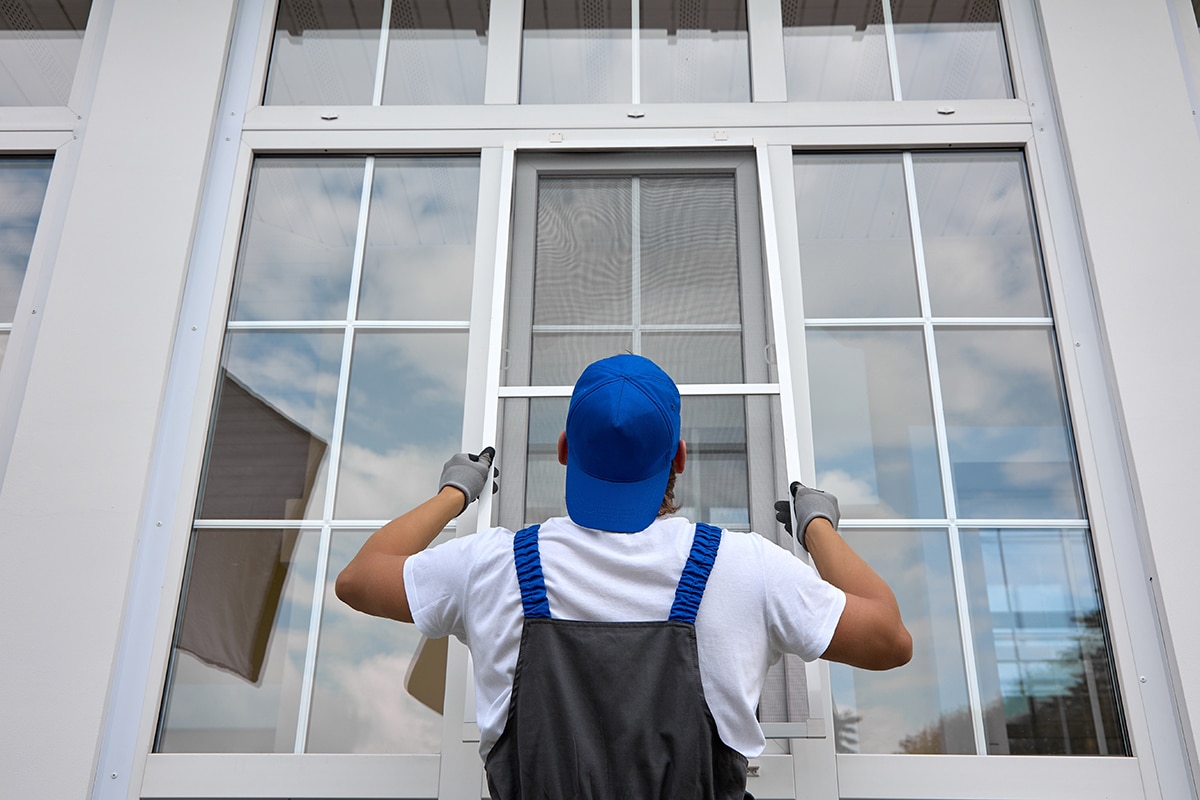
San Diego’s sunny, coastal climate is one of the reasons people fall in love with the city — but it also means windows take a steady beating from UV exposure, coastal salt air, and temperature swings between morning marine layer and afternoon heat. For homeowners in HOA-governed communities, replacing those aging windows isn’t just a matter of picking a style you like. It’s a process shaped by community guidelines, architectural standards, and approval procedures that can catch first-timers off guard.
Why HOA Approval Matters
Most San Diego HOAs regulate exterior changes to preserve a consistent look across the neighborhood, and protect property values. Window replacement almost always falls under this oversight because they affect the building’s exterior appearance — frame color, material, grid patterns, and even glass tint can all be subject to review.
Before ordering new windows, check your community’s Covenants, Conditions & Restrictions (CC&Rs) and architectural guidelines. Many HOAs require:
- A formal architectural review application, often with product specs or photos
- Matching frame color and material to community standards (white vinyl is common in many San Diego neighborhoods)
- Retaining original window dimensions and pane configurations, especially in HOAs with a uniform “curb appeal” standard
- Proof of a licensed, insured contractor
Skipping this step can lead to fines or even forced removal, so it’s worth building in a few extra weeks for approval before installation.
Choosing the Right Window for San Diego’s Climate
San Diego’s climate is forgiving compared to regions with extreme heat or cold, but a few factors still matter:
Energy efficiency. Dual-pane replacement windows with Low-E coatings are the standard that most HOAs now expect. They reduce heat gain during warm afternoons without sacrificing natural light.
UV protection. Southern California’s intense sun fades flooring, furniture, and artwork over time. Low-E glass blocks a significant portion of UV rays while maintaining clarity.
Coastal durability. For homes near the coast, salt air can corrode certain frame materials faster than expected. Vinyl and fiberglass frames tend to hold up better than aluminum in these conditions, though some HOAs specifically require aluminum-clad or a particular finish to match existing units.
Noise reduction. In denser HOA communities near roads or airports, laminated glass or thicker dual-pane assemblies can meaningfully cut down on sound transfer. While an HOA won’t require windows to have sound-suppression technology, many homeowners in busy neighborhoods choose to add this feature.
Navigating the HOA Approval Process
The first thing you want to do is review your association’s CC&Rs. Confirm what’s allowed before falling in love with a specific product. Then, get multiple contractor quotes, and ask each San Diego replacement window contractor if they’ve worked within your HOA community before. Experience in this area can speed up the process, since the contractor may already know what paperwork is required.
Next, submit a complete application, including manufacturer spec sheets, color samples, and a site plan, if required, to your HOA or the proper sub-committee. If you’ve done your homework prior to submission, your request should be approved on the first attempt.
Once you have your approval, make sure you keep the letter with your home records. It could be needed when you eventually sell your home.
Conclusion
Installing replacement windows in a San Diego HOA community takes a bit more coordination than it would in a standalone home, but the payoff is worth it: better energy efficiency, UV protection, and curb appeal that is in line with your neighborhood’s standards. A little upfront homework with your HOA and a contractor experienced in community guidelines will keep the project on schedule and avoid costly surprises.