

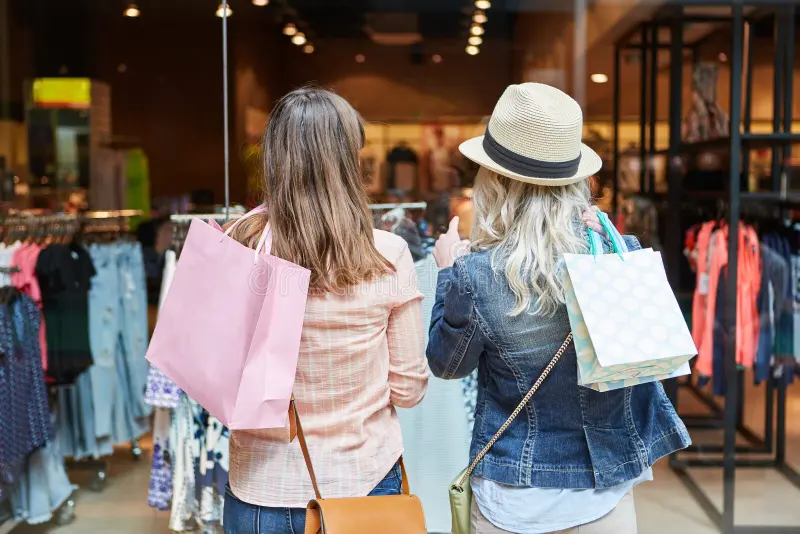
Shopping has changed dramatically over the past decade, evolving from a straightforward buying activity into a nuanced experience shaped by technology, social influences, personal values, and convenience. Today’s shoppers evaluate more than price. They compare product quality, sustainability, brand trust, personalization, and the overall customer experience. Understanding how shopping behavior shifts across generations and platforms is key for both consumers and retailers. As shopping becomes more integrated into daily life, the reasons behind purchase decisions are increasingly psychological, emotional, and experiential.
The Mindset Behind Modern Shopping
Shopping once centered around necessity. People purchased what they needed and rarely questioned where it came from. Today, purchases reflect personal identity, lifestyle choices, and long-term value. This shift occurred due to greater product transparency, online reviews, and social platforms that allow consumers to see how others use and evaluate items.
Consumers now expect brands to:
- Provide clear and honest product descriptions
- Demonstrate ethical sourcing and responsible business practices
- Offer personalized recommendations
- Ensure secure and convenient payment methods
- Deliver products quickly and reliably
This mindset influences how shoppers compare products and make decisions, especially in digital environments.
The Growth of Online Shopping
Online shopping has become a dominant force in consumer culture. The convenience of browsing from home, accessing thousands of product options, and reading real customer reviews makes the digital shopping experience appealing. Technology, especially mobile devices, has made it possible to research and buy within minutes.
Benefits of Online Shopping
- Price Comparison: Shoppers can easily compare pricing across multiple sellers.
- Endless Variety: Online retailers offer more selections than physical stores can display.
- Convenience: Purchases can be made any time without waiting in line or traveling.
- User Feedback: Ratings and reviews reduce uncertainty.
Challenges of Online Shopping
However, online shopping is not without its drawbacks. Issues like delayed shipping, misleading product images, return hassles, or unclear sizing can discourage customers. That is why reputable retailers invest in better product photography, accurate descriptions, and efficient return processes.
In-Store Shopping Still Matters
Despite the rise of digital purchasing, physical stores remain essential. Many consumers still enjoy touching products, trying on clothing, and experiencing the immediate satisfaction of taking an item home.
Why Some Shoppers Prefer Stores
- Ability to feel texture and quality
- Immediate product access
- Face-to-face customer service
- No shipping wait times
- Hands-on demonstrations
Retailers who want to succeed today often combine in-store and online strategies, offering services like in-store pickup for online orders or digital price matching.
Emotional and Psychological Drivers of Shopping
Purchasing decisions rarely rely on logic alone. Emotions influence everything from impulse buys to loyalty.
Major Emotional Triggers
- Excitement: New or limited products create anticipation.
- Comfort: Shopping can relieve stress or provide joy.
- Identity: Purchases express style and personality.
- Achievement: Finding a good deal or unique item feels rewarding.
Retail experiences that tap into these motivations tend to build stronger customer relationships.
The Rise of Social Shopping
Social platforms now function as search engines for products. People often discover new brands while scrolling through feeds. Influencers, demonstrations, and user-generated content drive authenticity and engagement.
Key Factors in Social Shopping Influence
- Real people showing real results
- Demonstrations of product use
- Shared experiences that feel relatable
- Community-based recommendations
Consumers trust people they relate to more than formal advertisements. This shift has made social platforms strong environments for product discovery and brand growth.
Sustainable and Ethical Shopping Trends
More shoppers want to know how products are made, where materials come from, and whether workers are treated fairly. Sustainability is no longer a trend but a core purchasing standard. Consumers are willing to pay more for products that last longer, reduce waste, or support social responsibility.
Popular Sustainable Behaviors
- Choosing reusable or eco-friendly products
- Supporting small or locally owned businesses
- Reducing fast fashion purchases
- Prioritizing durability and repairability
Retailers who provide transparency earn greater trust and loyalty.
Technology’s Role in Shaping Future Shopping
From augmented reality fitting rooms to smart checkout systems, technology continues to make shopping smoother and more personalized.
Emerging Technologies Transforming Shopping
- Virtual Try-On Tools: Helps shoppers preview clothing or makeup.
- Voice Shopping: Allows purchases through smart speakers.
- AI Recommendations: Suggests products based on browsing and purchase history.
- Automated Checkout: Reduces the need for lines or cashiers.
These innovations focus on saving time, reducing friction, and increasing confidence in purchases.
How Consumers Can Shop Smarter
While product variety and marketing influence shopper behavior, smart buying habits can lead to better long-term value and satisfaction.
Practical Tips for Better Shopping Decisions
- Compare multiple brands before purchasing
- Read both high and low reviews for balanced insight
- Calculate cost per use rather than focusing only on price
- Wait 24 hours before buying non-essential items
- Avoid shopping while stressed or emotional
Simple discipline can prevent regretful spending and improve purchasing satisfaction.
The Cultural Significance of Shopping
Shopping reflects cultural values, trends, and aspirations. It helps define how communities express identity, from fashion to home decor. Shopping also builds memories, whether it is weekend outings, gift-giving traditions, or seasonal events. Beyond the transaction, it serves as a form of connection and expression.
Frequently Asked Questions
Why do people enjoy shopping even when they do not need anything?
Shopping can trigger a dopamine release in the brain, creating enjoyment and a brief sense of reward. The act of browsing also offers inspiration, entertainment, and emotional comfort.
How can someone avoid impulse buying?
Creating a list before shopping and sticking to it can help. Setting spending limits and waiting 24 hours before purchasing non-essential items reduces emotional decision-making.
What is the difference between cost and value when shopping?
Cost refers to the price you pay upfront. Value considers how long a product lasts, how well it performs, and how much benefit it provides over time. A lower-cost item might be cheaper now, but a higher-value item may save more in the long run.
Why is customer service important in shopping?
Customer service influences trust and satisfaction. When consumers feel supported, they are more likely to return and recommend the store to others.
How does social media influence shopping habits?
Social media provides real-life examples of products in use, along with testimonials from everyday people. This relatability increases confidence and interest in purchasing.