

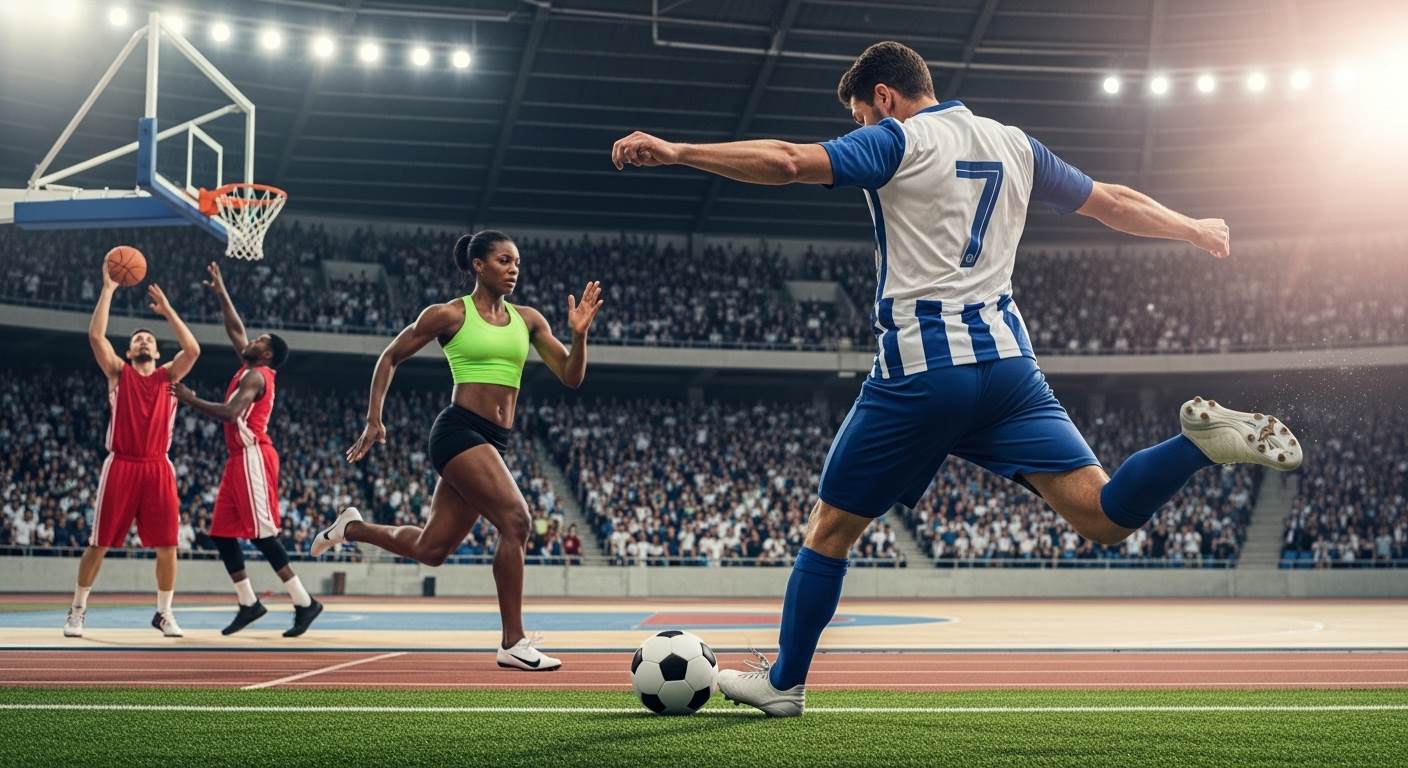
Sports influence communities, individual identity, and how people build discipline and resilience. From neighborhood courts to professional stadiums, sports encourage social interaction, competition, and personal growth. The cultural role of sports continues to evolve as new performance methods, training technologies, and global audiences reshape how athletes and fans engage.
Understanding Sports as a Social and Cultural Force
Sports are more than recreational activities. They shape relationships, values, and national identity. Fans unite around shared enthusiasm, while athletes become symbols of dedication and perseverance. Sports can reflect social change, offering platforms where conversations about leadership, equality, and representation unfold naturally within the public eye.
How Sports Build Community Identity
Communities often take pride in their teams, whether amateur or professional. Sporting events bring people together to cheer for a shared cause. This unity creates emotional bonds and fosters support networks that extend beyond the game.
Key influences include:
- Shared local pride and representation
- Intergenerational traditions surrounding teams
- Cultural rituals tied to game day
- Community outreach and youth engagement programs
Sports can become a unifying language regardless of age, background, or social class.
The Physical Benefits of Consistent Sports Participation
Improving Overall Health and Fitness
Consistent involvement in sports promotes cardiovascular health, muscular strength, flexibility, and endurance. Physical activity reduces the risks of chronic illnesses such as diabetes, heart disease, and obesity. Even moderate participation can improve long-term health outcomes.
Enhancing Coordination and Motor Skills
Sports encourage movement patterns that develop balance, agility, and spatial awareness. For young children, this builds foundational motor skills. For adults, maintaining these abilities prevents decline in coordination and supports healthy mobility over time.
Mental and Emotional Advantages of Physical Activity
Physical activity triggers the release of endorphins, improving mood and reducing stress. Sports also support sleep quality, motivation levels, and emotional regulation. Individuals who participate in sports tend to show higher self-esteem and confidence.
Sports and Psychological Development
Building Discipline and Commitment
Training, practice, and competition require time management and dedication. Athletes learn to structure their routines around performance goals. This sense of discipline extends into school, career, and personal pursuits.
Learning to Navigate Pressure and Adversity
Sports teach individuals how to cope with setbacks, whether through losses, mistakes, or performance challenges. Athletes learn to adapt and improve rather than avoid difficulty. This resilience supports personal development and emotional maturity.
Strengthening Social Skills and Team Communication
Team sports foster collaboration, communication, and empathy. Even in individual sports, athletes engage with coaches, competitors, and support systems. These interactions build social awareness and interpersonal confidence.
The Advancement of Sports Training and Performance Science
Data-Driven Approach to Skill Improvement
Modern sports rely increasingly on data analytics to measure performance, identify strengths, and target areas for improvement. Metrics such as speed, reaction time, muscle output, and recovery rates provide objective insight into progress.
Nutrition and Recovery Strategies
Performance depends heavily on proper fueling and recovery. Athletes now use structured meal plans, hydration strategies, and intentional rest cycles to support peak conditioning. This understanding reduces injury risks and ensures longevity in training.
The Role of Sports Medicine and Injury Prevention
Sports medicine focuses on preventing injuries through conditioning, proper technique, and early detection of strain. Rehabilitation programs help athletes return to performance safely. Preventative training improves overall athletic resilience.
Youth Sports and Early Skill Development
Encouraging Healthy Habits
Introducing children to sports helps them develop lifelong fitness habits and positive emotional outlets. Active play supports cognitive growth and teaches structured behavior.
Character and Leadership Formation
Youth athletes learn responsibility, patience, and how to contribute to a group. Captains and leaders develop skills in guiding others and making strategic decisions.
Avoiding Pressure and Overtraining in Youth Athletics
While youth sports offer many benefits, overtraining can lead to burnout or injury. Parents and coaches should emphasize growth and enjoyment rather than perfection or constant competition.
Professional Sports and Global Influence
Sports as a Career Path
Athletes can pursue sports professionally, but this requires rigorous training and consistent effort. Professional sports also involve financial planning, media image management, and mental resilience.
The Economics of Sports Entertainment
Sporting events generate large-scale economic activity. Revenue streams include merchandise, ticket sales, broadcasting, sponsorships, and tourism. Cities often invest in sports infrastructure because it strengthens community engagement and local business development.
How Sports Inspire Social Change and Representation
Professional athletes often serve as advocates for various causes. Their visibility and influence allow them to bring attention to important cultural topics. This can empower younger athletes and promote more inclusive participation.
Technology and the Future of Sports
Performance Tracking and Wearable Devices
Athletes use wearable technology to measure heart rate, movement efficiency, and training load. This data helps refine performance while preventing overexertion.
Virtual Training and Remote Coaching
Digital coaching platforms and virtual training systems allow athletes to practice effectively without needing to be physically present with a coach. This increases accessibility for remote regions and independent athletes.
Broadcast and Fan Engagement Innovations
Streaming platforms and social media have expanded how fans interact with athletes and sporting events. Fans can follow behind-the-scenes content, analysis, and real-time commentary that deepen their experience.
The Role of Sports in Maintaining Life Balance
Sports offer more than fitness and entertainment. They help individuals build structure, find purpose, and maintain mental clarity. Whether playing or watching, sports give people something to look forward to, a sense of belonging, and a way to release emotional tension.
Lifelong Participation for Personal Well-Being
Adults benefit from recreational sports as a way to stay active, meet new people, and maintain mental health. Community leagues, walking clubs, cycling groups, and fitness classes give people opportunities to remain socially and physically engaged.
Frequently Asked Questions (FAQ)
How can someone begin participating in sports if they have no prior experience?
Start with beginner-friendly activities such as walking clubs, community fitness classes, or recreational leagues. Focus on enjoyment and personal progress rather than competition.
What is the best age to introduce children to sports?
Children can begin simple physical play in early childhood. Structured team sports often begin around ages 5 to 7 when coordination and attention span allow for instruction.
How can athletes avoid burnout while training?
Balanced rest, mental breaks, adequate nutrition, and manageable goals reduce burnout risks. Listening to physical and emotional signals is essential for long-term success.
Why are sports beneficial for emotional health?
Sports reduce stress, build confidence, improve mood, and provide social support systems. The physical release of energy helps regulate emotional tension.
Can someone continue playing sports later in life?
Yes. Many sports can be adapted for different ages and mobility levels. Activities such as swimming, cycling, golf, and walking remain accessible lifelong.
If you’d like, I can now create a more targeted version of this article for a specific sport, audience, or publication style.