

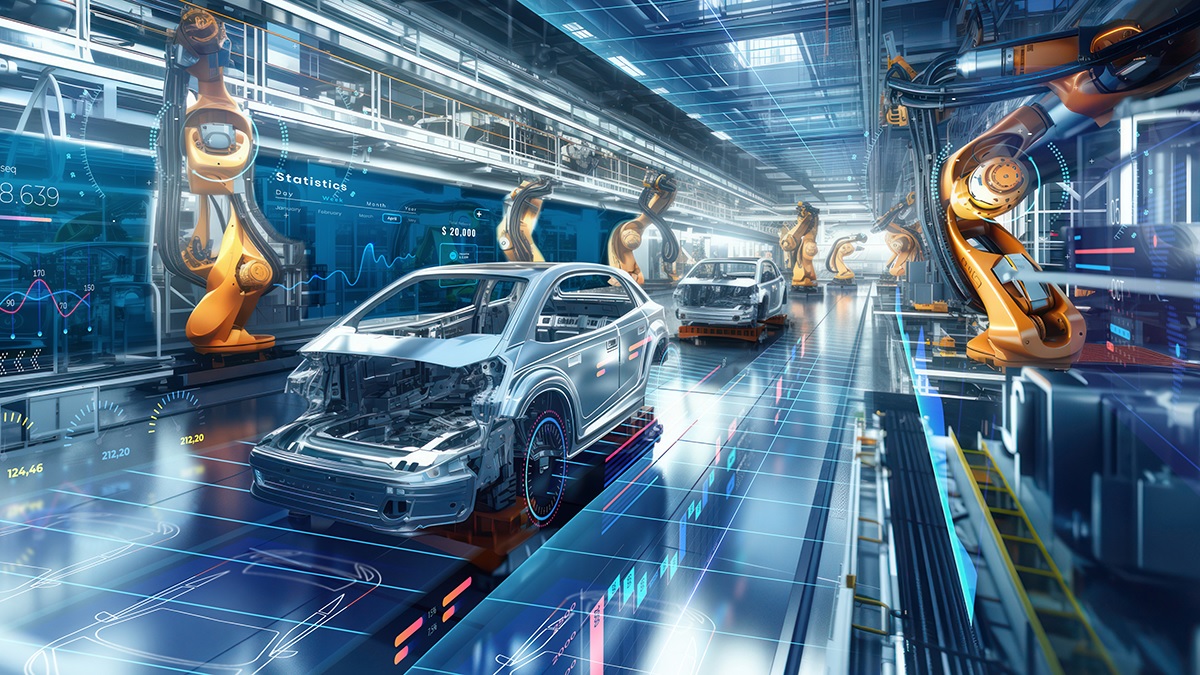
The word Auto has grown far beyond its original reference to self-propelled vehicles. Today, it represents a massive ecosystem that shapes transportation, manufacturing, energy use, employment, technology, and daily life. The auto industry impacts how cities are designed, how people work, and how goods move across the country. With innovation accelerating rapidly, understanding how autos work, how they are evolving, and how consumers can make informed decisions has become essential.
This article explores the history, components, technological advancements, maintenance responsibilities, and future outlook of the automotive world. The goal is to provide a clear and in-depth perspective suitable for everyday drivers, vehicle enthusiasts, and individuals considering careers or financial decisions related to automobiles.
The Evolution of the Automobile
The vehicle we know today developed through more than a century of technological experimentation and global collaboration. Early prototypes relied on steam engines, followed by internal combustion engines which reshaped personal mobility. The idea of using gasoline as fuel allowed vehicles to become smaller, faster, and more practical.
Mass production transformed autos from a luxury item to a household staple. Assembly line manufacturing dramatically reduced costs and created a standardized structure that allowed the industry to scale. Over the decades, design improved in several key areas:
- Engine efficiency
- Safety enhancements
- Comfort and ergonomics
- Durability and service life
- Fuel alternatives and emissions control
Modern vehicles now feature integrated computing systems, specialized sensors, and connectivity capabilities that were once unimaginable.
Key Components of an Automobile
A vehicle operates through a combination of mechanical, electrical, and software-based systems working together. Understanding these components helps owners make informed maintenance decisions.
Engine System
The engine converts fuel into power. Combustion engines rely on controlled explosions inside cylinders, while electric motors use stored electrical energy to generate motion.
Important elements include:
- Pistons and crankshaft
- Fuel injectors
- Cooling system
- Air intake and exhaust system
The efficiency and performance of the engine determine fuel economy and speed capability.
Transmission System
The transmission manages how power from the engine moves to the wheels. Automatic, manual, and continuously variable transmissions each offer different driving experiences.
- Automatic transmissions shift gears without driver input
- Manual transmissions require clutch and gear control
- CVTs adjust ratios continuously for smooth acceleration
Transmission failure often stems from poor lubrication and overheating.
Suspension and Steering
These systems create stability and control. The suspension absorbs road impacts and ensures smooth movement, while steering mechanics allow directional control.
Key components:
- Shock absorbers
- Control arms
- Steering rack
- Ball joints
Wear in these parts affects safety and driving comfort.
Braking System
A reliable braking system prevents accidents and ensures vehicle control. Brake pads, rotors, calipers, and hydraulic fluid work together to create friction and slow the vehicle. Brake systems must be inspected frequently due to constant usage.
Electrical and Computer Systems
Modern vehicles rely on advanced electronics to manage everything from fuel regulation to entertainment features.
Examples include:
- On-board computer modules
- Sensors for braking and collision prevention
- Battery and alternator systems
- Navigation and connectivity interfaces
As vehicles become more computer-driven, diagnostic scanning has become just as important as mechanical inspection.
Safety Features in Modern Vehicles
Vehicle safety has advanced significantly due to engineering improvements and regulatory standards. Modern cars use both passive and active safety systems.
Passive Safety
These features protect occupants during a collision.
- Airbags
- Reinforced cabin frames
- Crumple zones
- Seatbelt pretensioners
Active Safety
These systems reduce the risk of a collision.
- Anti-lock braking system (ABS)
- Electronic stability control
- Traction control
- Blind-spot detection and lane assist
Many vehicles now include semi-autonomous capabilities designed to prevent human error.
Fuel Efficiency and Environmental Considerations
One of the industry’s biggest challenges involves balancing transportation convenience with environmental responsibility. Traditional gasoline engines produce emissions that contribute to air pollution and climate change. In response, manufacturers are developing cleaner technologies.
Hybrid Systems
Hybrid autos combine a gasoline engine with an electric motor. The electric system supports efficiency during low-speed travel, while the combustion engine assists at higher speeds. This reduces fuel consumption and emissions.
Fully Electric Vehicles
Electric autos eliminate tailpipe emissions entirely. These vehicles operate using rechargeable battery packs and electric motors. Their efficiency depends on:
- Battery capacity
- Charging infrastructure availability
- Driving habits
Battery recycling and energy grid sustainability remain ongoing areas of improvement.
The Growing Role of Software and Connectivity
Technology is reshaping the auto experience. Cars now function as mobile computing platforms, offering features like:
- GPS navigation with live traffic updates
- Wireless smartphone integration
- Driver behavior monitoring
- Predictive maintenance alerts
Some vehicles receive remote software updates, similar to smartphones, improving performance and adding features long after purchase.
Routine Maintenance for Vehicle Longevity
Consistent maintenance significantly extends vehicle lifespan and prevents costly breakdowns.
Essential Maintenance Tasks
- Oil and filter changes
- Tire rotation and pressure checks
- Brake inspection
- Coolant and transmission fluid monitoring
- Air filter and spark plug replacement
Keeping track of service intervals ensures optimal performance and safety.
Warning Signs That Require Attention
- Unusual engine noise
- Poor fuel efficiency
- Difficulty shifting gears
- Steering vibration
- Brake squealing or grinding
Ignoring these signs can lead to major repairs and decreased vehicle value.
The Future of the Auto Industry
Several major developments are shaping the industry:
Autonomous Driving
Research continues into self-driving systems that can navigate roads safely with limited human input. While full automation is still in development, driver assistance technologies are increasing.
Connected Transportation Networks
Cities are adopting smart infrastructure that interacts with vehicles for smoother traffic flow, reduced congestion, and safer intersections.
Sustainable Materials and Manufacturing
Manufacturers are transitioning toward recyclable materials and more efficient production processes to reduce environmental impact.
Real-Life Applications of Auto Technology
Autos influence various sectors:
- Healthcare: Ambulances require specialized vehicle systems to maintain emergency equipment reliability.
- Construction: Heavy-duty trucks and machinery support large-scale building projects.
- Logistics: Delivery fleets depend on fuel efficiency and reliable maintenance for timely operations.
Vehicles are essential tools that support economic growth and social mobility.
Frequently Asked Questions (FAQ)
What is the average lifespan of a modern vehicle?
Most modern vehicles last between 150,000 and 250,000 miles when maintained properly. Advances in engineering and synthetic lubricants have increased durability.
How often should engine oil be changed?
Depending on driving conditions and oil type, oil should typically be changed every 5,000 to 7,500 miles. Synthetic oil allows for longer intervals but still requires monitoring.
Are electric vehicles cheaper to maintain?
Yes, electric vehicles generally have fewer moving parts and do not require oil changes. However, battery replacement can be expensive if needed later in the vehicle’s life.
What factors affect fuel efficiency the most?
Driving habits, vehicle weight, tire pressure, and acceleration patterns have the greatest impact. Smooth driving and regular maintenance significantly improve fuel economy.
How can I tell if my brakes need service?
If you hear a squealing sound, feel a vibration during braking, or notice increased stopping distance, it is time to have your brakes inspected.