

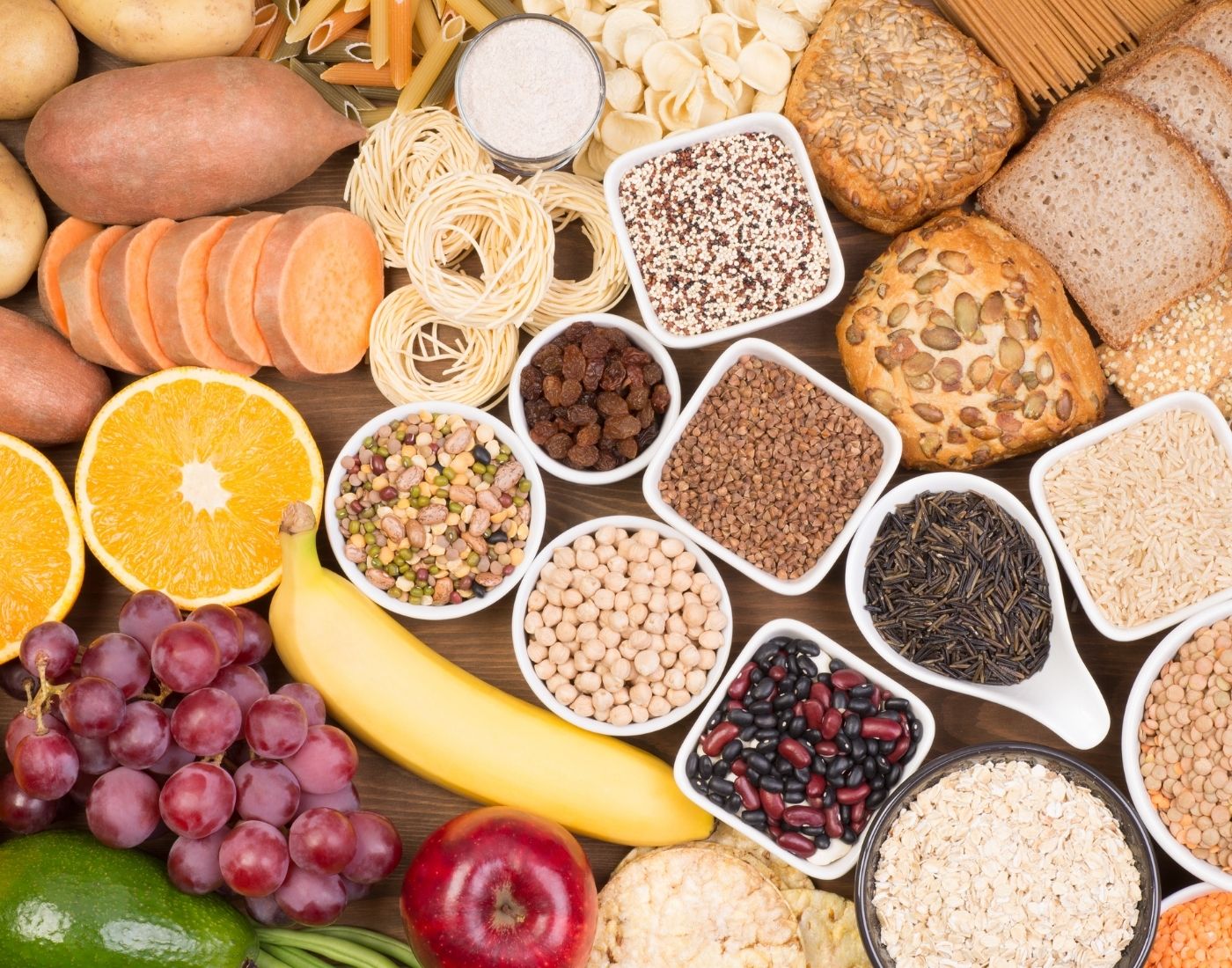
Food represents nourishment, identity, memory, emotion, and connection. It influences how the body functions physically and how individuals experience life mentally and socially. While food is essential for survival, its meaning extends far beyond basic nutrition. It is woven into daily routines, cultural traditions, personal values, and emotional patterns, shaping both individual and collective experiences.
Food is one of the earliest ways humans learn comfort and attachment. Shared meals often symbolize belonging and safety. Over time, certain flavors, aromas, and dishes become linked to family, celebrations, or personal milestones. A single meal has the ability to evoke memories, communicate care, or express cultural heritage. This emotional dimension makes food a powerful part of identity.
Food as Physical Nourishment
The body relies on food to function. Nutrients from food support growth, cellular repair, cognitive performance, hormone balance, and energy production. Without the right nutrient balance, individuals may experience fatigue, weakened immunity, or difficulty concentrating. When food is chosen with intention, it strengthens physical health and prevents many long-term conditions.
Food as Cultural Expression
Every culture uses food to tell a story. Traditional dishes reflect geography, history, climate, and shared values. Food can mark religious observances, life transitions, holidays, and community gatherings. Preparing, serving, and sharing meals helps reinforce cultural identity and preserve ancestral knowledge. This is why food often becomes a symbol of heritage and continuity.
Food as an Emotional Anchor
Emotions influence eating behavior. People may seek certain foods for comfort, celebration, grounding, or familiarity. While emotional eating can be supportive when intentional, it may also become problematic when used to avoid processing stress or discomfort. Understanding the emotional role of food helps individuals build a healthier relationship with it, one based on awareness rather than impulse.
Food as a Social Connector
Meals bring people together. Whether it is a family dinner, a workplace lunch, or a gathering with friends, food encourages conversation, collaboration, and bonding. Eating together creates shared experiences that strengthen relationships and build trust. Even in digital or long-distance communication, sending or sharing food remains a gesture of care.
Food as a Personal Choice and Responsibility
Every individual develops personal food habits shaped by upbringing, environment, beliefs, and accessibility. Making thoughtful food choices reflects self-awareness and self-respect. When individuals understand how food affects their wellbeing, they are better equipped to choose meals that support health, energy, mood, and longevity. Food becomes a form of daily self-care.