

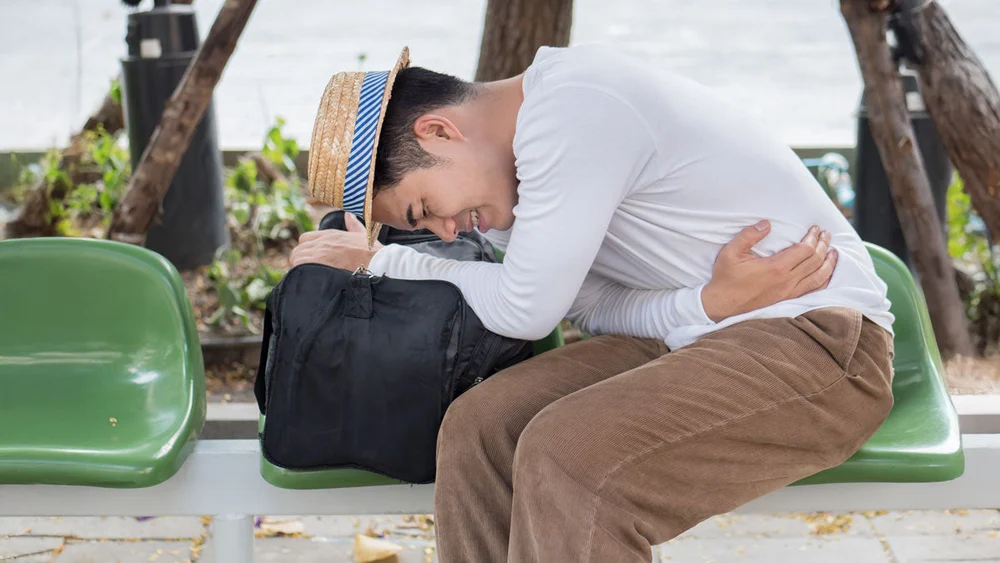
Few things derail a well-planned vacation quite like digestive gridlock. You step off a flight, unpack your bags in a beautiful destination, and suddenly your gastrointestinal system shuts down. Days pass without a bowel movement, bringing uncomfortable bloating, abdominal cramping, a reduced appetite, and a pervasive sense of sluggishness.
Travel-induced constipation is remarkably common, affecting an estimated one-third of all travelers. It is not an arbitrary curse or an inevitable tax on leaving home; rather, it is a predictable physiological response to sudden disruptions in your daily rhythm. Your gastrointestinal tract is lined with millions of neurons—often referred to as your enteric nervous system, or second brain—and this delicate network thrives on predictability.
When you understand the mechanisms that cause your gut to stall during travel, you can implement proactive steps to keep your digestive transit smooth, comfortable, and regular from departure to return.
Why Your Gut Stalls When You Leave Home
Your colon functions largely on habit and circadian rhythm. For most people, bowel motility peaks in the morning, triggered by waking, exposure to natural light, and the ingestion of food or warm liquids. Traveling abruptly scrambles this schedule.
When you cross time zones or alter your sleep-wake cycle, your colon loses its primary biological cues. The contractions responsible for moving waste through the large intestine, known as peristalsis, slow down dramatically.
Compounding this circadian disruption is the physical environment of modern travel. Airplane cabins are notoriously dry, with humidity levels often hovering below twenty percent. In this hyper-dry environment, your body rapidly loses moisture through normal respiration and evaporation. If that lost fluid is not actively replaced, the colon compensates by reabsorbing water directly from forming stool. The result is dry, hard, compact stool that resists normal muscular contractions.
Finally, immobility plays a substantial role. Hours spent seated in cramped airline seats, tour buses, or cars eliminate the gentle abdominal compression and muscular activity that naturally encourage transit through the intestines. Combined with altered meal timing, unfamiliar cuisines, and the subconscious stress of navigating foreign environments, the gut simply goes into lockup.
Laying the Groundwork Before Departure
Preventing travel constipation begins long before you head to the terminal. Waiting until you are on day four of total stoppage makes resolution far more difficult than keeping your gut moving from the start.
Begin intentionally prioritizing hydration roughly forty-eight hours before your trip. Arriving at the airport already in a fluid deficit leaves your colon playing catch-up under the worst possible conditions. Aim for clear to pale yellow urine in the two days leading up to your departure.
Simultaneously, maintain a steady intake of dietary fiber, but resist the temptation to radically spike your consumption at the last minute. If your daily fiber intake is typically low, suddenly consuming large quantities of raw vegetables or bran muffins right before a flight will likely cause severe gas and bloating rather than smooth bowel movements. Consistency and gradual adjustments are far more effective than last-minute overcompensation.
In-Transit Tactics for Planes, Trains, and Automobiles
The day of transit is where most digestive complications take root. A few deliberate behaviors during your journey can protect your digestive momentum.
The Hydration Rule
Do not rely on the sporadic three-ounce cups of water distributed by flight attendants. Carry an empty, reusable water bottle through airport security and fill it to capacity at a hydration station before boarding.
A reliable baseline is to consume roughly eight ounces of water for every hour spent in flight. If your flight is longer than four hours, consider adding an electrolyte tablet or powder packet to one of your bottles. Electrolytes help your cells actually retain fluid rather than sending it straight to your bladder, keeping the colon adequately hydrated.
Be cautious with alcohol and excess caffeine. While a celebratory cocktail at the airport bar or an extra espresso to combat fatigue sounds appealing, both compounds act as mild diuretics and can alter intestinal motility, accelerating dehydration in an already parched environment.
Forced Mobility
Physical stagnation leads directly to gastrointestinal stagnation. Prolonged sitting compresses the abdominal cavity and significantly slows intestinal transit time.
On flights, make an effort to stand up and walk the aisle for a few minutes every ninety minutes to two hours, provided the seatbelt sign is off. When waiting during layovers, avoid sitting at the gate; walk the concourse instead. If you are taking a long road trip, schedule brief stops every couple of hours to stretch your legs and engage your core muscles. Even modest physical movement prompts the release of hormones that stimulate peristaltic waves in the lower gut.
Resetting Your Digestive Clock in a New Destination
Once you reach your destination, the immediate goal is syncing your enteric nervous system with local time. The fastest way to do this is by leveraging natural biological reflexes.
Capitalizing on the Gastrocolic Reflex
The human colon is at its most active immediately after waking and following your first meal of the day, a physiological phenomenon known as the gastrocolic reflex. When food hits an empty stomach, nerve signals tell the colon to contract and clear space for incoming nutrients.
Do not skip breakfast while traveling, especially on your first few mornings in a new location. Sit down for a balanced meal at the local breakfast hour, accompanied by a hot beverage. The combination of thermal heat and the natural stimulants in coffee or tea works synergistically with the gastrocolic reflex to jumpstart sluggish intestinal walls.
Equally important is allocating uninterrupted time. Rushing out the door early for a packed sightseeing itinerary forces you to ignore natural biological signals. Build an extra twenty to thirty minutes of quiet, unhurried downtime into your morning schedule specifically to allow your body the opportunity to use the restroom.
Smart Eating Without Sacrificing Vacation Enjoyment
Traveling should involve enjoying local food traditions, but living solely on refined carbohydrates, rich cheeses, and fatty meats will quickly shut down digestion. You do not need to restrict yourself to plain salads, but you do need strategic roughage.
Prioritize whole fruit whenever possible. Fruits like kiwis, pears, apples with the skin on, and berries contain high concentrations of insoluble fiber alongside natural osmotic sugars such as sorbitol, which pull moisture into the intestines. Eating two whole kiwifruits daily has been clinically observed to improve stool frequency and transit speed without causing unwanted gas.
If you know you will be dining at restaurants with minimal fresh produce, pack a travel-friendly fiber supplement. Single-serving packets of unflavored psyllium husk or partially hydrolyzed guar gum can be stirred into a glass of morning juice or water. When using supplemental fiber, always drink ample water alongside it; without sufficient fluid, supplemental fiber can actually worsen an obstruction.
Restroom Mechanics and the Mind-Gut Connection
The physical act of elimination requires relaxed pelvic floor mechanics, which are frequently compromised when traveling.
Human anatomy is designed to evacuate waste most efficiently in a squatting position, which straightens the anorectal angle by releasing the puborectalis muscle. Standard Western toilets keep the hips at a ninety-degree angle, creating a kink in the rectum that requires more straining to overcome.
You can easily simulate a squatting posture in any hotel bathroom without special equipment. Place your feet on a small bathroom trash can, a stack of books, or even up on your tiptoes while leaning your torso slightly forward. This simple postural shift aligns the colon and significantly reduces the effort required for a complete evacuation.
Additionally, acknowledge the psychological barrier often dubbed bathroom anxiety. Many people subconsciously suppress bowel urges when sharing small hotel rooms with companions or when faced with unfamiliar public restrooms.
Suppressing the urge to defecate is one of the most reliable ways to induce severe constipation. When you hold it in, the rectal walls stretch, the nerve signals fade, and the colon continues to pull water out of the trapped stool, making it progressively harder and more difficult to pass later. Respect the urge the moment it arrives, regardless of where you are.
Sensible Medical Interventions for Stubborn Cases
Despite careful hydration and diet, some travelers experience stubborn blockages that require gentle intervention. Packing a small, targeted digestive kit ensures you are not wandering a foreign pharmacy trying to decipher local drug labels.
Gentle Osmotic Agents
The first line of defense should always be an osmotic agent rather than a harsh stimulant. Osmotic laxatives work by drawing water into the stool, softening it naturally and prompting your colon to move on its own.
-
Magnesium supplements: Taking magnesium citrate or magnesium oxide in the evening before bed is a mild, highly effective way to encourage a smooth morning bowel movement. It pulls water into the intestinal lumen without causing violent spasms.
-
Polyethylene glycol: Available in small single-serve packets, this tasteless powder dissolves completely into any beverage. It does not ferment or cause excess gas, making it one of the gentlest and most predictable tools for restoring regular transit over a few days.
Avoiding the Stimulant Trap
Stimulant laxatives containing senna or bisacodyl force the intestinal muscles to contract aggressively. While they produce results, they often trigger painful abdominal cramps, sudden urgency, and loose stools that can ruin a day of activities. Keep stimulant laxatives as an absolute last resort, opting for hydration, movement, and osmotic softeners first.
Maintaining gut health on the road does not require obsessive planning or avoiding local cuisine. By recognizing the vulnerability of your internal clock, staying ahead of dehydration, honoring your morning reflexes, and traveling with the right supportive tools, you can ensure your digestive system runs quietly and reliably wherever your itinerary takes you.