

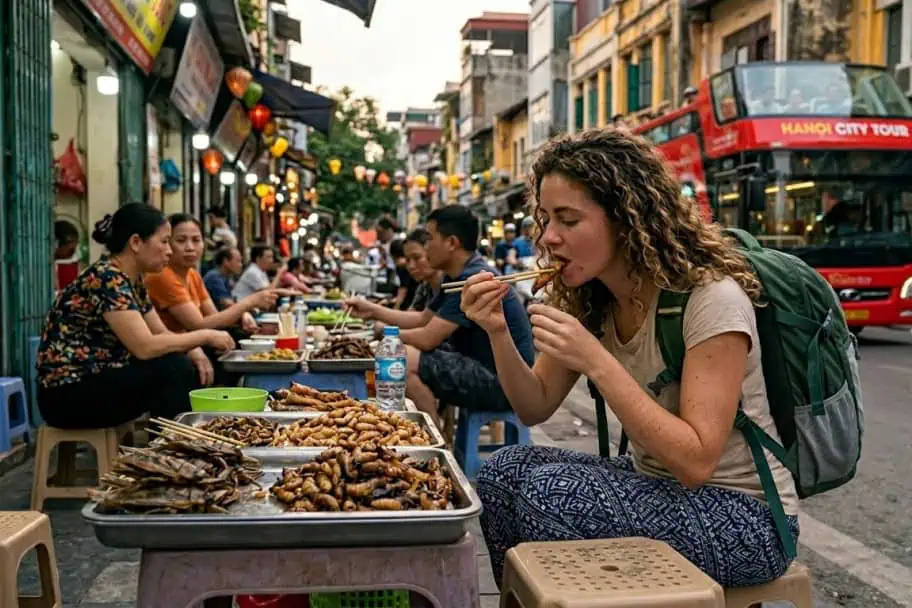
Almost every traveler has experienced the specific disappointment of falling for a polished culinary mirage. You walk away from an ancient cathedral, exhausted and starving, only to collapse into the nearest sun-drenched terrace facing the piazza. The waiter greets you in fluent English, hands you an oversized, laminated menu featuring glossy photographs of eighty different dishes, and delivers a plate of lukewarm, uninspired food at twice the price it should cost. You leave full, perhaps, but entirely disconnected from the actual culture of the city you traveled thousands of miles to experience.
Food is the quickest, most intimate doorway into the history, agriculture, and daily rhythm of a community. Yet in popular destinations worldwide, a dense thicket of tourist-oriented eateries thrives precisely by intercepting visitors before they ever reach real neighborhood establishments. Finding honest, exceptional local cooking requires peeling back these commercial layers. With a clear eye for environmental cues, an understanding of regional dining culture, and a willingness to step slightly off the curated path, you can consistently bypass the traps and eat like a discerning local.
Recognizing the Anatomy of a Tourist Trap
Tourist traps do not survive on repeat business. Because their customer base turns over completely every few days, they have no economic incentive to cultivate culinary excellence, source premium seasonal ingredients, or build lasting goodwill. They rely instead on high foot traffic, sensory distraction, and convenience. Recognizing their hallmark features is the first step in avoiding them.
Aggressive Street barkers and Multilingual Menus
If an establishment stations an employee outside whose sole job is to persuade, charm, or cajole passersby into taking a seat, keep walking. Authentic neighborhood eateries rely on word-of-mouth reputation and culinary merit; their staff is far too busy cooking and serving regulars to loiter on the sidewalk waving laminated cardstock.
Similarly, pay close attention to menu presentation. While having an English translation is not an automatic crime, a menu printed in five languages with faded color photographs of every dish is a clear red flag. These productions are designed to reduce cultural friction for transient crowds rather than showcase the kitchen’s culinary point of view.
The Problem of the Infinite Menu
A restaurant kitchen has physical limits. It has a finite number of burners, prep stations, and refrigerated storage shelves. When you encounter a menu spanning six pages that offers breakfast scrambles, handmade pasta, wood-fired pizza, regional braises, burgers, and seafood platters, fresh cooking is virtually impossible.
To execute a catalog that broad on short notice, kitchens must rely on commercial freezers, industrial deep fryers, pre-made sauces, and microwaves. Genuine neighborhood kitchens tend to operate around a focused, modest list of items that change according to seasonal availability and market runs.
Rethinking the Geography of Good Food
Where a restaurant chooses to pay rent reveals an enormous amount about who it expects to serve. Landmark monuments, major museum exits, and central transit hubs command some of the highest commercial square footage rates on the planet. To turn a profit, businesses in these prime corridors must prioritize high table turnover and elevated margins over meticulous food preparation.
Applying the Three-Block Perimeter
The simplest operational rule for finding better meals is to break the immediate line of sight from major landmarks. Walk at least three to five blocks away from the central square, cathedral, or cruise terminal. Turn down side alleys where foot traffic thins out, storefront signs grow modest, and neon tourist flyers disappear.
Just a ten-minute walk away from crowded boulevards, rent drops, tourists thin out, and businesses must cater to permanent residents who demand consistent quality and fair pricing. The difference between an overpriced frozen meal and a memorable regional lunch is often nothing more than a couple of turns down quiet residential streets.
Seeking Out Municipal Markets and Wholesale Districts
If you want to understand what a region truly eats, visit its public market halls during morning hours. These venues are the beating heart of local food ecosystems, serving home cooks and neighborhood restaurateurs alike.
Look for small, informal food counters, butcher stalls, and lunch counters tucked along the market perimeter. These spots source their ingredients directly from neighboring stalls every morning. The turnover is blistering, the prep is transparent, and the dishes reflect the unpretentious, heritage recipes that working-class locals rely on for everyday sustenance.
Decoding Menus and Dining Customs
Authentic dining experiences often demand that visitors adapt to local customs rather than expecting the dining room to accommodate foreign habits. Recognizing and embracing these cultural nuances opens doors to extraordinary food.
The Power of Hyper-Specialization
In many of the world’s greatest dining cultures, the most respected establishments do not attempt to be everything to everyone. Instead, they devote generations to perfecting one specific preparation, ingredient, or cooking method.
In Japan, a venerable shop might serve nothing but hand-pulled soba, charcoal-grilled eel, or tonkatsu. In southern Spain, a traditional taperia might build its entire reputation around fried artichokes or salt-cured cod. In Texas or Mexico, the best pitmasters and taqueros focus narrowly on specific cuts of meat and slow smoking techniques. When a kitchen specializes intensely, its staff develops an intuitive mastery of temperature, texture, and seasoning that a sprawling menu can never replicate.
Reading the Hand-Written Board
Keep an eye out for restaurants that present their daily offerings on chalkboards, paper inserts clipped into a leather binder, or hand-scrawled sheets taped near the register. A dynamic menu indicates that the chef shops at the morning markets and cooks whatever is freshest, peak-season, and priced reasonably that day. When an item sells out, it is simply erased from the board.
Conversely, rigid, permanent printed booklets that remain unchanged through summer heat and winter freezes strongly suggest an industrial supply chain reliant on uniform, shelf-stable ingredients.
Synchronizing with Local Eating Hours
Tourist restaurants thrive by staying open all day long, catering to foreigners who expect dinner at five in the afternoon or lunch at eleven in the morning. High-caliber traditional establishments, on the other hand, operate on strict local schedules aligned with biological hunger patterns and kitchen preparation routines.
In Italy or France, arriving at a neighborhood bistro at six in the evening usually means finding the dining room dark or the staff setting tables for service that will not begin until seven-thirty or eight. In Spain, arriving before nine at night marks you immediately as an out-of-towner. If a restaurant is buzzing with diners at four in the afternoon in a country where lunch concludes at two, you are seated among tourists, eating food cooked specifically for people with foreign dining habits.
Navigating Digital Tools Without Falling for Algorithmic Traps
Review aggregators and crowd-sourced dining apps are valuable resources, but blind reliance on standard rating systems frequently leads travelers straight into the arms of tourist traps. A restaurant with thousands of glowing five-star reviews on mainstream travel portals is often simply an establishment that excels at catering to tourist tastes: it has friendly English-speaking waitstaff, generous pours of house wine, and large portions, while the food itself remains entirely mediocre.
Searching in the Local Language
To bypass the tourist feedback loop on digital mapping tools, search using native culinary terminology rather than English phrases. Instead of typing “best seafood restaurant” into your phone, translate the specific regional term: search for “marisqueria,” “osteria di pesce,” or “izakaya.”
When reading reviews, filter the results to prioritize reviews written in the local tongue. If an establishment boasts hundreds of detailed, impassioned reviews written by local residents debating the balance of the broth or the texture of the bread, you have struck culinary gold. If the reviews are almost exclusively written in English, German, or Mandarin, you are reading feedback from people who possess no deeper familiarity with the regional food culture than you do.
Tracking Food Journalists and Native Micro-Bloggers
Before departing on your trip, bypass generic top-ten listicles curated by lifestyle magazines that recycle the same well-promoted hotspots. Look instead for local food critics, regional culinary columnists, and independent bloggers based permanently in your destination.
These writers earn their living by documenting the nuances of their home food scenes. They follow emerging neighborhood bistros, chronicle generational family-run institutions, and understand the cultural context behind regional dishes. A single well-researched guide by a resident culinary journalist will steer you toward far more authentic meals than hours of scrolling through crowd-sourced star ratings.
The Art of Asking the Right Questions
Asking hotel concierges, taxi drivers, or front-desk clerks for recommendations can yield great results, but only if you frame your inquiries with precision.
When you ask a generic question like “Where is the best place to eat dinner nearby?”, most hospitality workers default to a safe, highly sanitized option: an upscale restaurant with white tablecloths, an international wine list, and an English-speaking staff where they know a foreign visitor will not complain about unfamiliar flavors or awkward language barriers.
To extract genuine recommendations, reframe your questions around personal habits rather than objective excellence:
-
Where do you go to celebrate with your family when you are paying with your own money?
-
Where do you and your coworkers grab lunch on a busy workday?
-
What is a specific regional dish that you miss whenever you travel away from home, and who prepares the best version of it in this neighborhood?
-
Where would you take an out-of-town friend who wants to taste honest home-style cooking rather than an expensive dining room?
Pay attention to who you ask as well. Independent coffee roasters, used bookstore clerks, local grocers, and market vendors are wonderful sources of grounded, everyday intelligence. They know their immediate neighborhoods intimately and possess a natural affinity for artisanal, craft-driven businesses.
Embracing the Discomfort of the Unfamiliar
Ultimately, uncovering authentic food requires a willingness to surrender total control and accept a modest degree of disorientation. If every step of the dining process feels effortless, predictable, and instantly familiar, you are almost certainly dining within a commercial comfort zone engineered specifically for travelers.
True culinary authenticity frequently comes wrapped in humble packaging. It looks like a modest room with bare walls, fluorescent lighting, handwritten receipts, and an energetic dining room filled with local families speaking at high volume. The menu might be entirely incomprehensible without a translation app, and the staff might communicate primarily through welcoming smiles, nods, and gestures.
Do not let the absence of polished hospitality deter you. Step across the threshold, embrace the small moments of confusion, point to what looks compelling on the neighboring table, and trust the culinary heritage of the kitchen. That simple leap of faith transforms a basic travel meal into an authentic cultural memory that outlasts any souvenir.